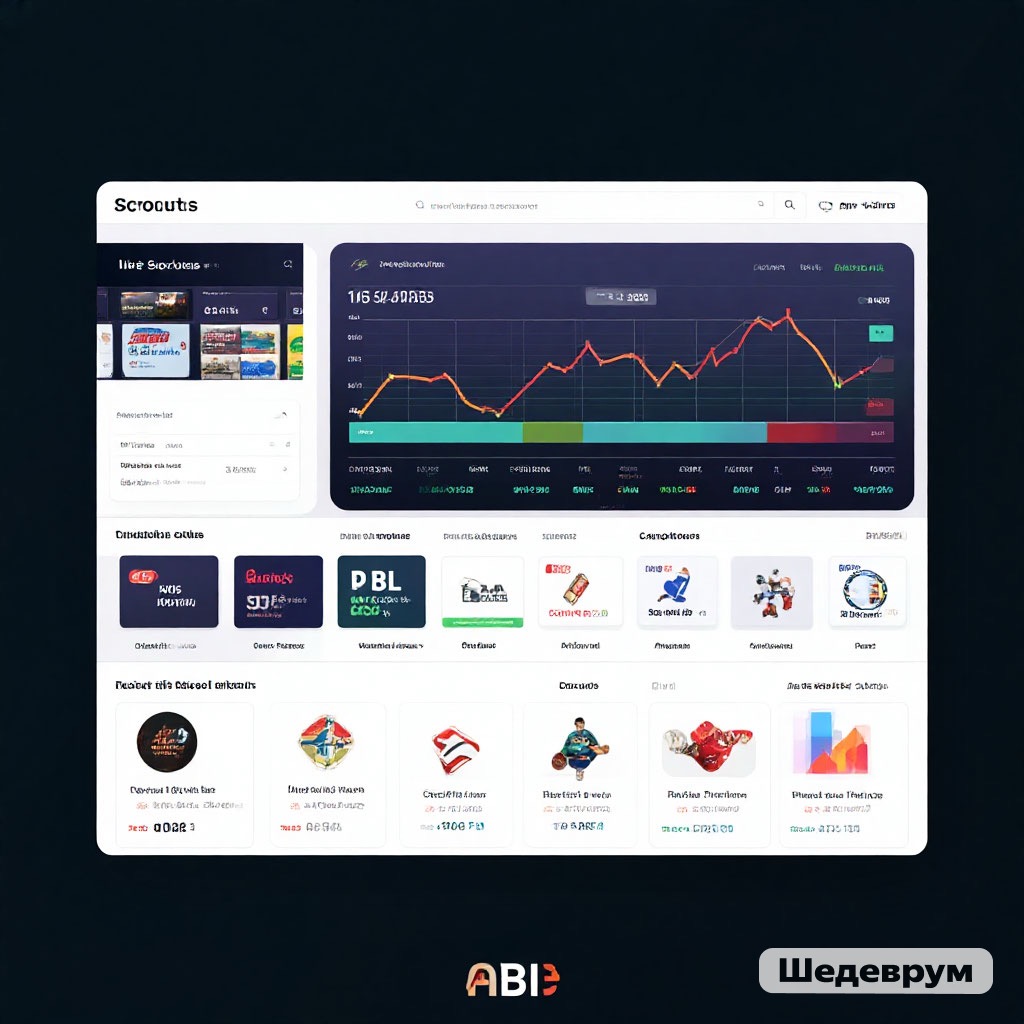
In the world of sports betting, the key factor for success is access to accurate and timely data. Hundreds of bookmakers update odds every minute, and without special tools, it is almost impossible to notice profitable discrepancies. This is where sports APIs come to the rescue — services that allow you to collect data on matches, results, odds, and statistics in real time.
One of the most popular solutions is considered API-sport, providing developers, betting platforms, sports media, and analysts with a convenient tool for integrating data into their projects. For arbitrage scanners, this API becomes almost indispensable, as it allows obtaining fresh odds directly from multiple sources.

What is API-sport?
An API is an interface for data exchange between an application and an external service. In the case of API-sport, it is a platform that collects sports data and provides it to users in a standardized format.
The history of API-sport began with the idea of making access to sports information as simple as possible for developers. Today, the platform is known worldwide and is used by both large companies and enthusiasts creating their own projects.
The service covers:
-
Live data — odds, results, statistics in real time.
-
Historical archives — a database of matches and events from past years.
-
Player and team statistics — lineups, transfers, form, injuries.
The main difference between API-sport and its analogs is the combination of ease of connection, wide coverage, and high update speed.
Scanner for finding forks in sports betting
Different types of information are required for the operation of arbitrage scanners, and API-sport covers almost all needs:
-
bookmaker odds,
-
match results,
-
player and team statistics,
-
lineups and substitutions,
-
transfer activity,
-
data for calculating outcome probabilities.
Supported sports
The API covers dozens of disciplines:
-
football,
-
hockey,
-
basketball,
-
tennis,
-
volleyball,
-
esports,
-
and many others.
This allows fork scanners to work not only with traditional sports but also with new directions where bookmakers’ margins are higher.
Technologies and formats
The API supports modern technologies:
-
REST for simple HTTP requests,
-
WebSocket for live streaming without delays,
-
JSON and XML for convenient data transfer.
How to access the API?
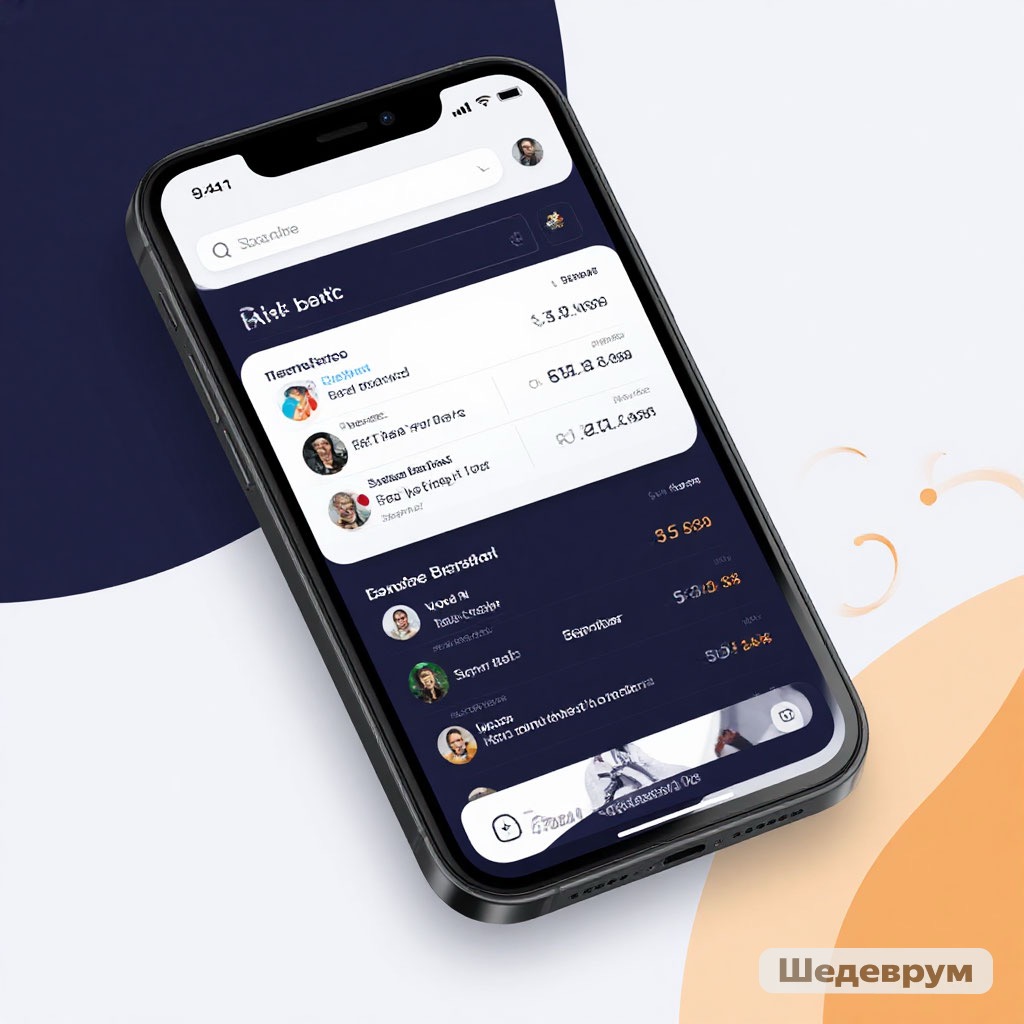 Working with API-sport begins with creating an account on the official website. The registration process takes just a couple of minutes: you just need to provide an e-mail, come up with a password, and confirm your email. After logging into the personal account, the user receives a unique API key, which serves as an identifier for all requests to the server.
Next, a tariff plan is chosen: from the free «demo» for testing capabilities to professional packages designed for analysts, website owners, and application developers. Inside the cabinet, you can immediately track statistics on the number of requests, remaining limits, and use documentation with ready-made examples.
Third-party providers: aggregators and partner solutions
There is not always a need to contact directly with API-sport. Access to its data can be obtained through third-party aggregator services. Among them:
-
RapidAPI — the largest API platform where API-sport is available alongside other sports solutions. Convenient for those who combine several sources.
-
SportRadar — an alternative sports data provider that can also cover part of the functionality.
-
Private resellers are companies that resell access to the API with additional settings, integration, or analytics.
However, when working through intermediaries, nuances often arise: higher prices, less flexibility in tariffs, limitations in updating live data. Therefore, for arbitrage scanners, a direct connection to API-sport is considered optimal.
Free and paid tariffs: what is included
API-sport offers several levels of access.
Free plan suitable for beginners: basic match data is available, results in text format, a limited number of sports. This is more of a demonstration mode, allowing testing of the integration.
Paid plans unlock all functionality:
- live odds from bookmakers,
- real-time updates,
- extended statistical indicators (corners, fouls, possession, etc.),
- historical match archives,
- additional sports and tournaments.
The cost depends on the frequency of updates and the volume of requests. The faster and more data needed, the higher the tariff level. For a professional arbitrage scanner, it is more profitable to choose a tariff with live access and minimal delays right away.
Limitations and limits: what to consider
Each tariff has its own limitations:
-
The number of requests per day or month. The free tariff is usually limited to several hundred requests, which is not suitable for full-fledged scanners.
-
Update speed. In free plans, odds may come with a delay of up to several minutes, making it impossible to find arbitrage opportunities. In paid tariffs, data arrives almost instantly.
-
Access to sports. The free version may include only football and 1-2 other disciplines, while the paid version reveals dozens of directions.
-
Functional limits. Some types of statistics (for example, detailed player metrics or extended live metrics) are not available without a subscription.
For an arbitrage scanner, the speed and frequency of odds updates are especially important. If data arrives with a delay of at least 1-2 minutes, most arbitrage opportunities disappear. Therefore, in practice, such projects only work on professional tariffs. API-sport.
API Integration
Connection examples
In Python:
import requests
url = «https://api-sport.pro/v1/football/matches»
headers = {«x-api-key»: «YOUR_API_KEY»}
response = requests.get(url, headers=headers)
print(response.json())
In JavaScript:
const axios = require(«axios»);
axios.get(«https://api-sport.pro/v1/football/matches», {
headers: { «x-api-key»: «YOUR_API_KEY» }
}).then(res => console.log(res.data));
Integration into CMS and mobile applications
The API easily connects to WordPress through plugins or custom modules. In mobile projects (Android/iOS), it is used to update live scores and odds.
Using live data via WebSocket
WebSocket allows for instant odds retrieval, which is especially important for arbitrage scanners. This approach is faster and more reliable than constant polling.
Where is it used?
-
In betting and odds scanners for finding arbitrage opportunities.
-
In sports analytics for predictions and models.
-
In media and fan applications for covering matches.
-
In Fantasy Sports and esports for creating interactive games.
-
In Big Data projects for statistical research.
Advantages and disadvantages
 Advantages:
-
a large number of sports,
-
high data update speed,
-
accuracy of odds,
-
ease of integration.
Cons:
-
paid plans can be expensive,
-
free access is heavily restricted,
-
for beginners, integration may seem complicated.
Alternatives to API-sport.
Among alternative solutions in the sports data market, SportRadar stands out — it is a powerful service with rich functionality and a vast database, but its main drawback is the high cost, making it more suitable for large companies and media projects. Another option is RapidAPI — an aggregator that combines dozens of different APIs. It is convenient for those who want to connect several data sources at once, however, request rate limits and additional fees can be a significant drawback. Another popular solution is The Odds API, which specializes in odds and is most often chosen for projects related to betting and arbitrage strategies.
However, if a universal tool with maximum sports coverage, high update speed, and convenient integration is required, most developers choose API-sport. But when the tasks are more specific — for example, if access to odds for football arbitrage is needed — more specialized alternatives can be considered.

In summary
A scanner for finding arbitrage in sports betting is impossible without reliable data sources. API-sport provides access to live odds, results, and statistics, allowing betting platforms and analysts to work with up-to-date information. Thanks to its ease of integration and broad support for sports, this service has become a universal solution for bookmakers, analysts, and developers.
👉 You can register here: https://app.api-sport.ru/register
👉 Our Telegram channel with updates: https://t.me/apisportru.
FAQ
Is there free access to API-sport?
Yes, a trial plan is available, but its capabilities are insufficient for the arbitrage scanner to function.
Are esports disciplines supported?
Yes, the API includes esports, making it convenient for modern projects.
Can the API be used for calculating bets and predictions?
Yes, the data is suitable for both arbitrage strategies and outcome forecasting.
How to connect the API to a mobile application?
SDKs and standard request libraries (Retrofit, Alamofire, Axios) are used.
Is the API suitable for working with bookmaker scanners?
Yes, it is often used for such tasks.
What limits apply to requests?
On the free plan, there is a limited number of requests per day. In paid plans, the limits are significantly higher.