Modern sports have long ceased to be just entertainment. Behind every game are analytics, bets, forecasts, a huge flow of statistics, and media support. Here, sports APIs come to the rescue – services that allow you to collect and structure data in real time.
For developers it is an opportunity to create applications with up-to-date information, for betting platforms – accurate odds and results, for sports media – ready data on matches and players, for analysts – huge arrays of information for forecasts and models. Without APIs, processing large volumes of sports data would be impossible.

What is a sports API and what distinguishes API-sport?
API (Application Programming Interface) is a software interface that provides access to the data and functions of a third-party service. Sports API is a channel for obtaining sports data: match results, player statistics, tournament tables, and much more.
La plataforma API-deporte – one of the most popular in this field. It covers dozens of sports, supports both live statistics broadcasts and historical archives. Among its features are high data update speed and convenient formats (JSON, XML).
Unlike competitors, API-sport emphasizes versatility and scalability: one service can serve both a startup with a couple of thousand users and a large betting platform with millions of requests.
¿Cómo procesar grandes volúmenes de datos a través de la API deportiva?
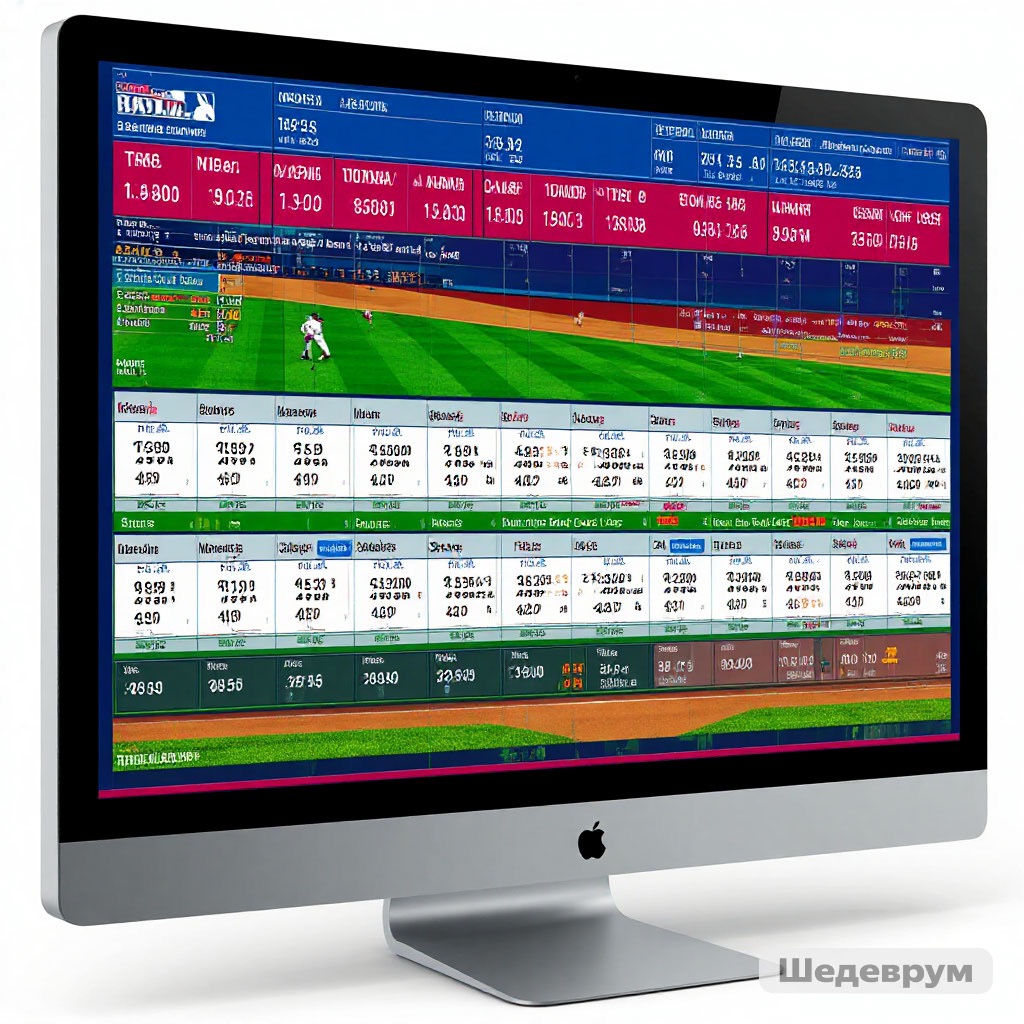 The API-sport service covers almost all categories of information:
-
real-time match results,
-
Se requieren diferentes tipos de información para el funcionamiento de los escáneres de arbitraje, y,
-
team lineups and changes in them,
-
player statistics (goals, assists, fouls, shots),
-
transfer information,
-
historical game archives.
This data allows building algorithms for forecasts, calculating bets, creating analytical dashboards, and even training neural networks.
Deportes soportados
The API covers the most popular disciplines: football, hockey, basketball, tennis, volleyball. An individual direction is esports, which is rapidly gaining an audience. This is especially important for media services and fan applications.
Tecnologías y formatos
Work is possible through:
-
REST API – convenient requests via HTTP;
-
WebSocket – a constant connection for receiving live data without delays;
-
JSON and XML – standard information exchange formats, easily integrable into any systems.
¿Cómo acceder a la API?
Connection through the official API-sport website – is the most reliable and secure way. The user only needs to go through a simple registration on the platform, after which the system issues a unique API key. This key is used for authorization and allows sending requests to the database. The next step is to choose a tariff plan: from basic with limited capabilities to an extended corporate level suitable for large projects with millions of requests per day. The advantage of official access is the stability of operation, technical support, and the ability to scale the tariff as the load increases.
RapidAPI, SportRadar y otras plataformas proporcionan acceso a BetsAPI y Livescore API a través de sus canales. Esto es conveniente para los desarrolladores que necesitan integraciones listas y SLA confiables.
In addition to direct connection to API-sport, there are alternative ways. Some companies, such as RapidAPI or SportRadar, provide intermediary access to the same data. This can be convenient for developers who are already using API aggregators and want to work through a single platform. However, such solutions have their downsides: higher costs, limits on data update speed, and limited functionality compared to direct connection. Therefore, third-party providers are often chosen for testing or small projects, where convenience is more important than full functionality.
Los planes gratuitos generalmente incluyen acceso limitado a datos históricos y estadísticas básicas. Las suscripciones de pago desbloquean:
API-sport provides different levels of access.
-
The free tariff allows you to try the service and evaluate its capabilities. Usually, it offers several types of sports and a limited number of requests per day. This is a great option for testing prototypes and checking functionality.
-
Paid tariffs unlock the full range of possibilities: access to match archives, extended statistical data, a greater number of sports, and higher update speeds. In paid plans, the limits on requests also increase, and additional services are opened, such as working with transfers and coefficient analytics.
For processing large volumes of data, choosing a paid tariff is almost mandatory, as only it ensures the stability and scalability of the project.
Número de solicitudes por minuto/hora
Like any large service, API-deporte it regulates the load on its infrastructure through limits. Restrictions may concern:
-
the number of requests per minute,
-
the total number of requests per day,
-
access to historical archives,
-
the frequency of live data updates.
For example, if the free tariff allows only a few hundred requests per day, the corporate plan allows processing tens or even hundreds of thousands of requests without interruptions. When developing an application or analytical system, it is important to consider these limits in advance to avoid errors as the number of users grows. For live applications, it is especially critical to choose a plan that can handle the load during peak sporting events, such as world championships or playoff tournaments.
Integración de API
Ejemplos de conexión

Python:
importar solicitudes
url = «https://v3.football.api-sports.io/fixtures»
encabezados = {«x-apisports-key»: «YOUR_API_KEY»}
params = {«live»: «all»}
response = requests.get(url, headers=headers, params=params)
imprimir(respuesta.json())
JavaScript:
fetch(«https://v3.football.api-sports.io/fixtures?live=all», {
headers: { «x-apisports-key»: «YOUR_API_KEY» }
})
.then(res => res.json())
.then(data => console.log(data));
Integración en CMS y aplicaciones móviles
The API easily connects to WordPress (via plugins and widgets), as well as to mobile applications on Android and iOS. This allows for live match feeds or displaying statistics directly in the interface.
Uso de datos en vivo a través de WebSocket
WebSocket connection is better than polling (periodic requests) because data comes immediately upon an event. This is critical for real-time betting and analytical services.
Where is the sports API used?
-
In betting and odds scanners.
-
In sports analytics and forecasting services.
-
In media and fan applications.
-
In Fantasy Sports and esports.
-
In BI systems and Big Data projects, where data is processed in millions of rows.
Ventajas y desventajas
Ventajas:
-
wide coverage of sports,
-
high update speed,
-
convenient integration formats,
-
scalability for different projects.
Contras:
-
paid plans can be expensive for startups,
-
limits on requests,
-
basic technical preparation is needed for full integration.
Alternativas a API-sport.
Among competitors, SportRadar, The Odds API, and RapidAPI stand out. They can be useful if specific local coverage or exclusive data is needed, but in terms of universality and availability, API-sport often wins.

En resumen
Sports API is a tool that transforms chaotic sports events into structured data arrays. With it, large volumes of information can be processed, analytical systems, forecasting models, and fan applications can be built. API-sport remains one of the leaders in this field due to its versatility, speed, and wide coverage.
If you want to start working with sports data:
-
Registration: https://app.api-sport.ru/register
- Our TG channel with updates: https://t.me/apisportru.
Preguntas frecuentes
Is there free access to the API?
Yes, a test plan is available, but with request limits.
¿Qué deportes son compatibles?
Football, hockey, basketball, tennis, esports, and dozens of other disciplines.
¿Es la API adecuada para apuestas?
Yes, data is updated in real-time, which is important for betting and odds scanners.
¿Cómo conectar la API a la aplicación?
You need to register, get a key, and integrate it via REST or WebSocket.
¿Se puede usar la API para predicciones?
Of course, many analytical services build models based on this data.
What data formats are supported?
The main formats are JSON and XML, plus WebSocket for live events.