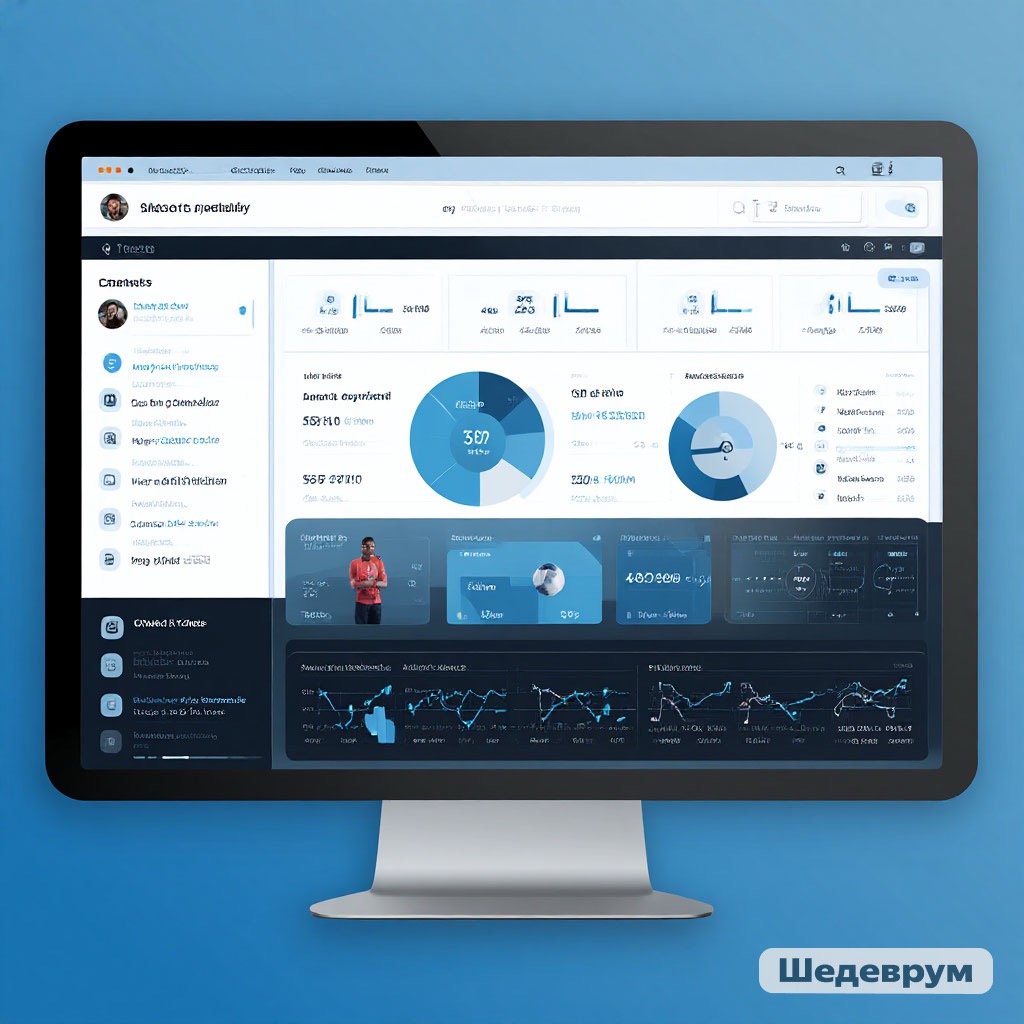
In the modern world of sports technology, the speed and accuracy of information play a key role. Developers, betting platforms, sports media, and analysts need up-to-date data on matches, odds, player statistics, and transfers. This is where API for betting and bookmakers’ data parsers come to the rescue, allowing for the automation of information collection and its integration into applications, websites, and analytical systems.
The API-sport service is one of the leading solutions in this field. It provides access to live results, archived statistics, and analytics for more than 30 sports. Thanks to this, the platform is used by both professional developers of sports services and fans of analytics and betting.
What is API-sport?
API (Application Programming Interface) is an interface that allows you to obtain structured data from an external source for use in your own projects. API-sport — is a specialized live sports API that provides a wide range of data on sports events in real time.
API-sport emerged as a tool for betting professionals and sports analysts. The platform quickly gained popularity due to its stability, update speed, and detailed statistics.
With API-sport, you gain full access to a variety of information about sports events. First, there are real-time match results that allow you to instantly track the course of the game. Second, the platform provides odds from bookmakers, which is especially important for betting and forecasts. Additionally, you can monitor team lineups and player changes, as well as analyze player and team statistics to make informed predictions. For analysts and developers, archived match information is also available, which helps study trends and game history. Finally, the service tracks transfers and player transfer history, keeping you informed of all movements within the sports industry.
Unlike many competitors, API-sport combines broad coverage of sports and the speed of live data updates, making it ideal for projects where accuracy and timeliness are important.

Capabilities and features
API for betting allows you to obtain:
-
Odds on outcomes, goals, halves
-
Dynamic chances and probabilities
-
Detailed statistics of players and teams
-
Information on transfers and team lineups
Unlike bookmakers« data parsers, the API guarantees structured and up-to-date data without the need to »read” HTML pages and process them manually.
Supported sports
API-sport covers more than 30 sports:
-
Football, hockey, basketball, tennis
-
Volleyball, handball, rugby
-
Esports (CS:GO, Dota 2, League of Legends)
Parsers are often limited to popular leagues and tournaments, while for niche sports, separate scripts will need to be created.
Technologies and formats
-
REST API and WebSocket
-
JSON and XML formats
-
WebSocket allows for live updates to be received instantly, without delays, unlike periodic REST requests (polling)
How to access the API?
To start working with API-sport, The first step is to register on the official website. The process is simple: just create an account, confirm your email, and log into your personal account. After that, you will be able to obtain a personal API key, which serves as a unique identifier for your project and provides secure access to the data.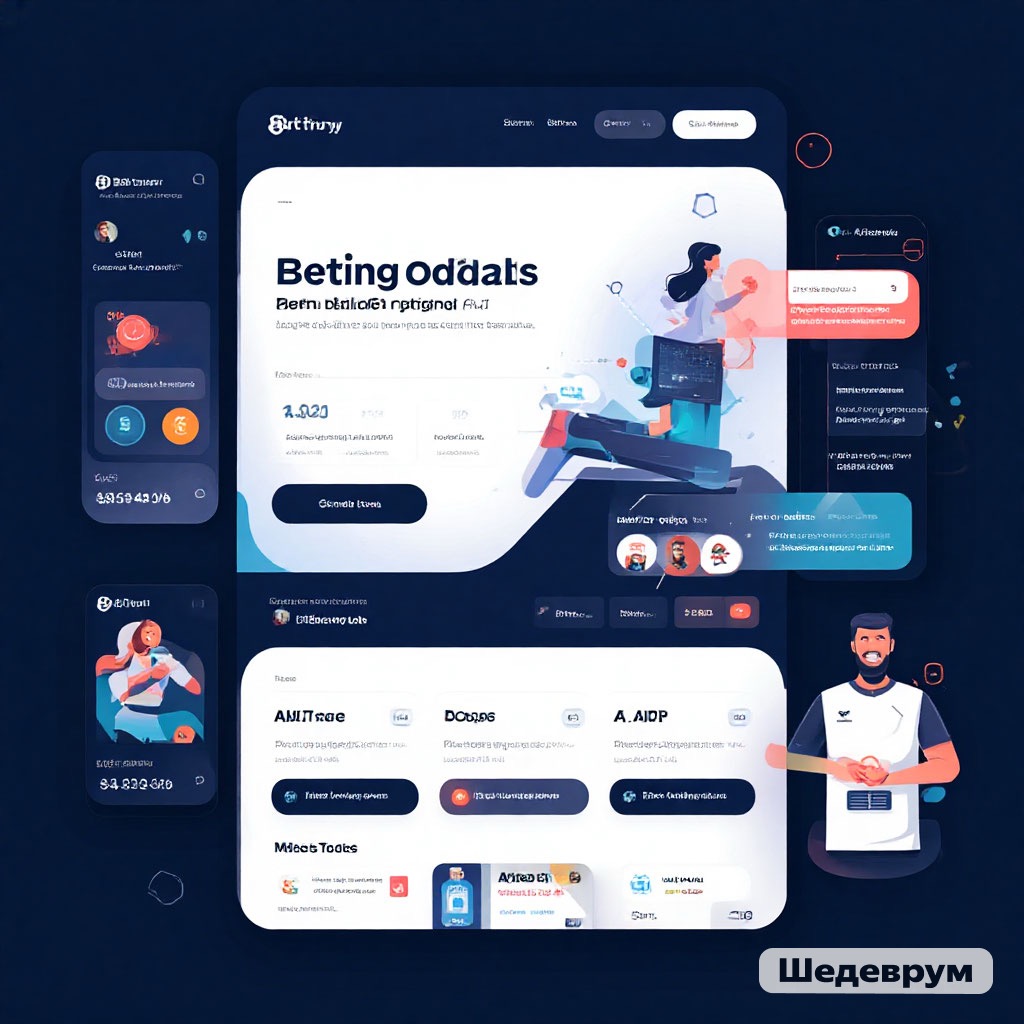
The next step is to choose a plan. The platform offers different options: from a free plan with limitations to a professional one designed for large projects. The free plan allows you to test the basic capabilities of the API: receive live results, check odds, and study the data structure. The professional subscription provides access to advanced statistics, forecasts, archived data, and full live results — an ideal option for betting, analytics, and media projects.
In addition to official access, there are third-party providers that allow you to connect to the API through aggregators. For example, RapidAPI combines many sports APIs on one platform, which is convenient for testing different data sources. SportRadar is a more professional solution that provides exclusive data and detailed analytics but is significantly more expensive.
When choosing a plan and provider, it is important to consider limitations and caps. Free and basic packages limit the number of requests per minute, the speed of live data updates, and access to archived information. Professional plans remove these limitations and allow you to use the API to its full potential, ensuring the stability of services, applications, and analytical platforms.
API Integration
Connection examples
Python:
headers: { ‘Ocp-Apim-Subscription-Key’: ‘YOUR_API_KEY’ }
})
.then(res => res.json())
.then(data => console.log(data));
Integration into CMS and mobile applications
Integrating the API into a CMS allows for quick and convenient addition of sports data to websites. For example, there are several options for WordPress: you can use ready-made plugins that connect to the API and automatically display match results, odds, and player statistics, or create custom widgets fully adapted to the design and functionality of your project. This approach is ideal for sports media, blogs, and fan portals, where the relevance of information and ease of display are important.
Mobile applications also benefit from using API-sport. For Android and iOS, you can implement live results, dynamic odds, and statistics updates directly into the app interface. This is especially important for betting platforms, Fantasy Sports, or analytical services, where users expect instant access to data.
Using live data via WebSocket makes integration even more efficient. Updates come almost instantly, which is critical for real-time betting and live forecasts. Unlike the traditional polling method, where the application periodically requests the server, WebSocket allows for a constant connection, minimizing delays and not overloading the server with unnecessary requests. This ensures speed, stability, and accuracy of information, making your project more reliable and modern.
Where is it used?
-
In betting and odds scanners.
-
In sports analytics and predictions
-
In the media and fan applications
-
In Fantasy Sports and esports
-
In BI systems and Big Data projects
Advantages and disadvantages
Advantages:
-
Wide coverage of sports
-
Instant live data
-
Accuracy and structured information
Cons:
-
Cost of professional tariffs
-
Limitations on the number of requests
-
Need for technical integration

Conclusions
When comparing betting APIs and bookmaker data parsers, it becomes clear that structured solutions like API-sport have a significant advantage. Parsers can be useful for simple information gathering from individual sites, but they are often unreliable, require constant script updates, and do not guarantee data relevance.
At the same time, the official API provides fast and stable access to live data, current odds, team lineups, and player statistics. This is especially important for projects where the speed of response to events is critical — for example, for real-time betting or analytical applications.
In addition, using the API guarantees scalability and reliability: you can integrate it into web services, mobile applications, CMS, or BI systems without worrying about sudden changes in data structure on third-party sites. Thus, for any project that works with a large volume of sports information, the official API is a more rational and safe choice than parsers, ensuring accuracy, convenience, and long-term stability.
FAQ
Is there free access?
Yes, API-sport offers a trial rate with a limited number of requests.
What sports are supported?
More than 30, including football, hockey, basketball, tennis, and esports.
Is the API suitable for betting?
Yes, data on odds and live results are perfect for betting.
How to connect the API to the application?
Through REST or WebSocket, using an API key and examples in Python/JS.
Can the API be used for predictions?
Yes, the API provides statistics and historical data that are suitable for predicting outcomes.