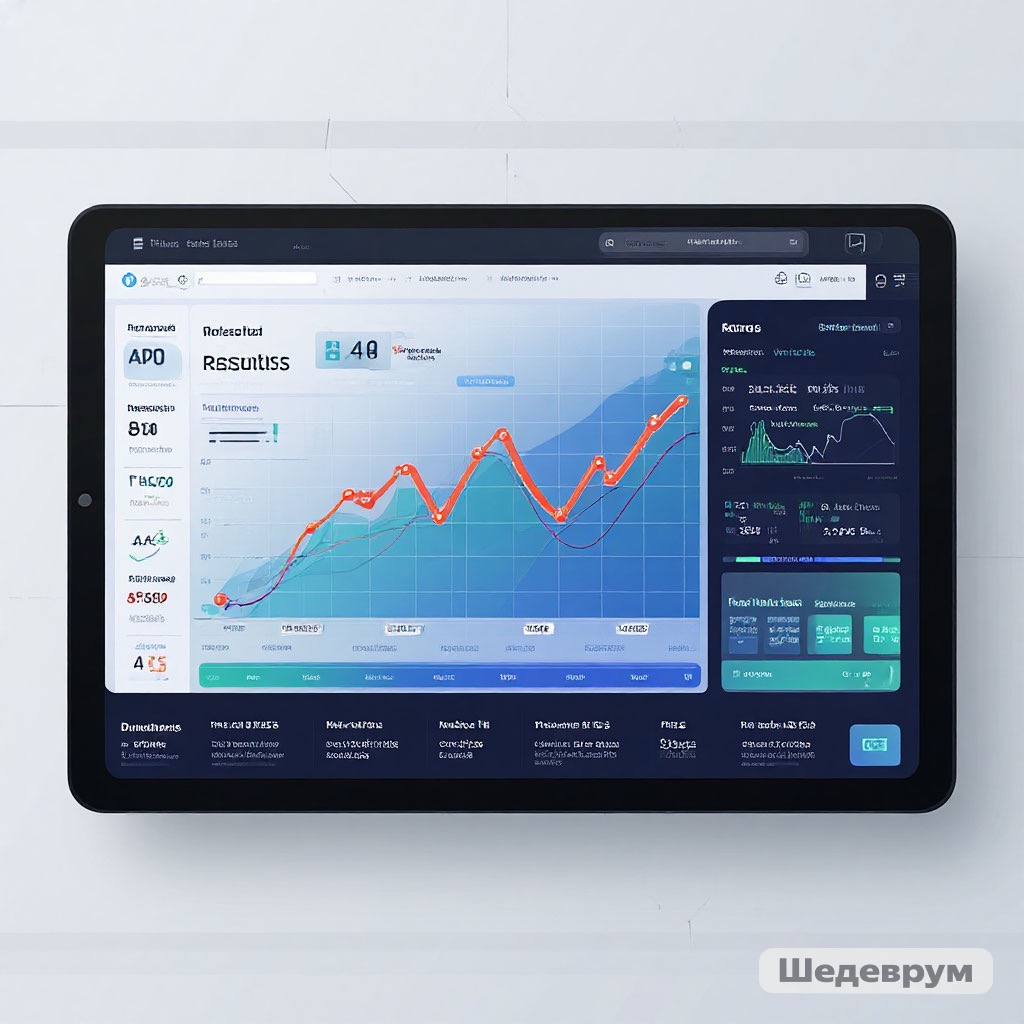
The modern sports world is unimaginable without real-time data. Bookmakers, analysts, and even fan applications rely on instant updates of statistics, odds, and match results. The main problem is that manually collecting and processing such data is practically impossible: there are too many events, leagues, and parameters. The solution is sports APIs that allow structured information to be obtained directly from the provider’s servers.
One of the most in-demand solutions is API-sport. This service provides data for calculating bets, analyzing odds, and predicting match outcomes. It is useful for developers, creators of betting platforms, sports media, and analysts who need quick and accurate access to information.

What is API-sport?
An API is a programming interface that allows applications and services to exchange data. In the context of sports, an API becomes a tool that provides the user with the precise figures and statistics necessary for analysis.
API-sport — is one of the most popular platforms in this field. It emerged as a universal source of sports data and quickly gained popularity among developers and bookmakers. Today, with API-sport, you can obtain:
-
real-time match results,
-
odds from numerous bookmakers,
-
team lineups and player changes,
-
detailed statistics (goal moments, penalties, substitutions),
-
archival data for long-term analysis.
Unlike many competitors, API-sport stands out for its wide coverage of sports, high update speed, and stable performance even under heavy loads.
Capabilities and features
API-sport covers all the key data necessary for betting and analytics:
-
real-time match results,
-
bookmaker odds and their dynamics,
-
team lineups and player updates,
-
player and team statistics (goals, assists, penalties),
-
transfers and transfer history,
-
archival data for predictions.
Supported sports
One of the key advantages API-sport Its versatility is what makes it unique. The platform covers dozens of sports disciplines, making it useful not only for niche projects but also for large multi-sport services.
First and foremost, of course, it is about football — the most popular sport in the world. The API covers both top European leagues and national championships of smaller countries. Users gain access to match results, player statistics, league tables, and even transfers. This makes the API an indispensable tool for betting companies and football media.
Hockey is also presented in detail. Here you can find data on NHL, KHL, and other international tournaments. For analysts, the ability to track statistics in real-time is important: goals, penalties, power play conversion percentage.
Basketball and tennis also received full coverage. For basketball, data is available for the NBA, EuroLeague, and national leagues. The service allows tracking player points, rebounds, assists, and fouls. In tennis, the API provides results of ATP and WTA tournaments, including live scores, game statistics, and aces.
In addition to classic sports, the service also covers disciplines popular in different countries: volleyball, handball, and baseball. These areas often remain «off the radar» for other providers, but they are in high demand for fan communities and niche betting services.
Cyber sports deserve special attention. API-sport supports the largest disciplines: Dota 2, CS:GO, League of Legends. Here, tournament results, team rosters, player statistics, and match schedules are available. In the context of the rapid growth of interest in cyber sports, such integration opens up wide opportunities for forecasters and app developers.
Thus, API-sport — is a universal tool that is equally useful for football applications as well as for services focused on cyber sports or less popular sports.
Technologies and formats
The API supports convenient formats and technologies:
-
REST — for standard requests;
-
WebSocket — for instant data retrieval;
-
JSON and XML are universal data exchange formats.
API for calculating bets, odds, and outcomes
Connecting to the sports API is the first step for your project to gain access to data about matches, odds, and statistics. In the case of API-sport the process is quite clear, but requires attention to detail.
Official access
To start, you need to register on the official API-sport platform. After creating an account, the user is issued a personal API key. — a unique set of characters that serves as a «pass» to the service. Without it, the server simply will not accept the request. Next, a tariff plan is selected: from a free package for testing and small projects to professional subscriptions designed for betting platforms, sports media, and large analytical services.
10. RapidAPI, SportRadar, and other platforms provide access to BetsAPI and Livescore API through their channels. This is convenient for developers who need ready-made integrations and reliable SLAs.
It is not necessary to connect directly — many developers prefer to use aggregators. For example, RapidAPI allows access to API-sport and manage subscriptions through a single platform. In addition, there are competitors like SportRadar that provide similar data but under different conditions. This approach is convenient for those who work with several sources of information at once and want to centralize access management.
12. Free plans usually include limited access to historical data and basic statistics. Paid subscriptions unlock:
API-sport offers different access options. The free tariff is perfect for testing: it allows a limited number of requests per day and evaluates the data structure. But if the project is aimed at real users, this will not be enough.
Paid subscriptions provide access to all sports, archives, transfers, and allow receiving real-time updates. Additionally, priority technical support and higher response speed are opened.
 17. Number of requests per minute/hour
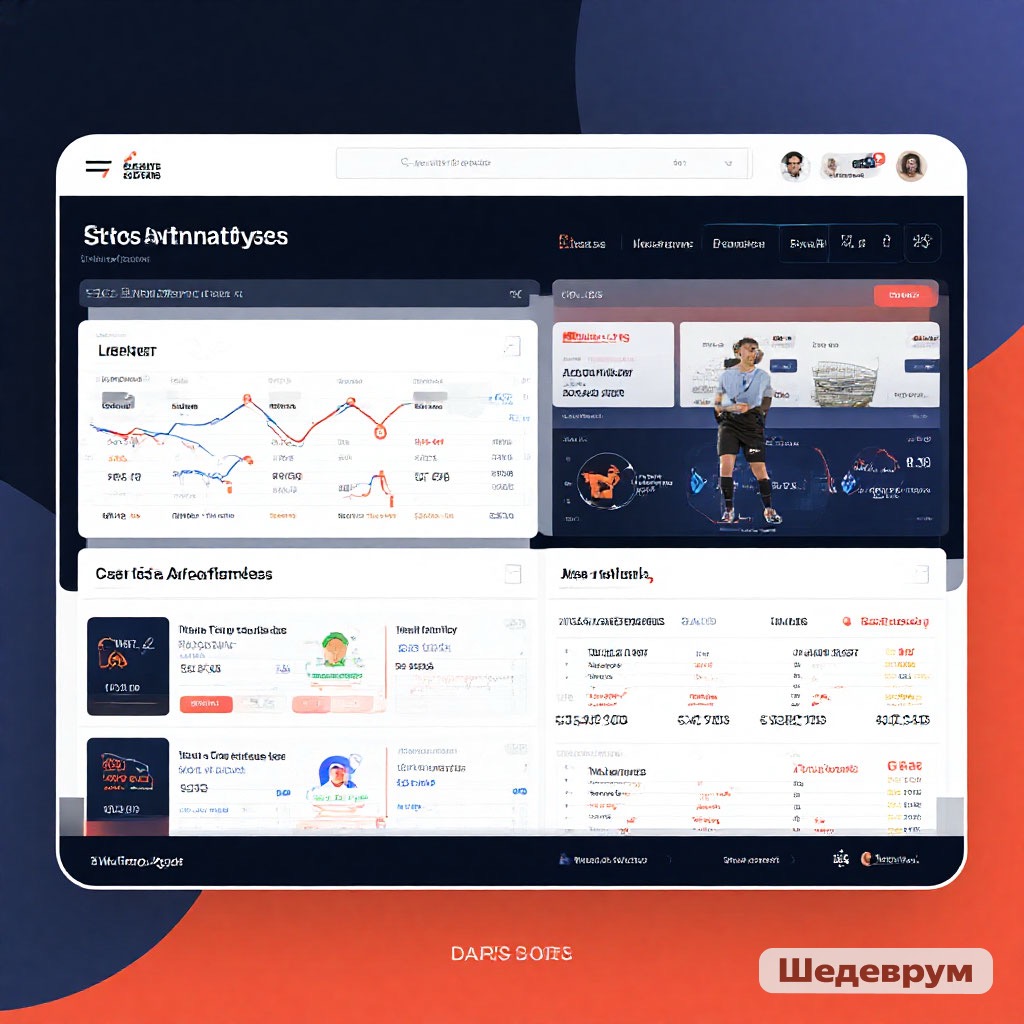 17. Number of requests per minute/hour
It is important to consider that each tariff has its own limits. They may relate to:
-
the number of requests per minute or per day,
-
the depth of statistics (for example, only the current season or the entire league history),
-
the speed of data updates (once a minute or in real time).
Such limitations directly affect the performance of your project. If, for example, the application is focused on live betting, a tariff with maximum update speed and high request limits will be required.
API Integration
A simple example for Python:
import requests
url = «https://api-sport.com/endpoint»
headers = {«Authorization»: «Bearer YOUR_API_KEY»}
response = requests.get(url, headers=headers)
print(response.json())
Integration into CMS and mobile applications
Use API for calculating bets, odds, and outcomes can be used in a variety of projects — from simple news websites to large-scale mobile applications.
When it comes to CMS like WordPress, integration is quite easy. There are several ready-made plugins that allow you to automatically load match results, tournament tables, or bookmaker odds directly onto the site. For more flexible customization, developers often create their own scripts that call the API and output data in the desired format. This approach is especially useful for sports media that need to quickly update content without manual work from editors.
In mobile applications for Android and iOS, the capabilities of the API are even broader. Here, data from API-sport is used to display live results, odds dynamics, player and team statistics. The application can send push notifications to the user in real time about a goal scored or changes in odds. This makes the service in demand among bookmakers, fan communities, and analytical platforms where speed of response and audience engagement are important.
Using live data via WebSocket
Traditionally, applications received data using the polling method — that is, they sent requests to the server at certain intervals (for example, every 10 seconds). But for live betting and displaying real odds, this approach is inconvenient: even a slight delay can cause the information to become outdated.
This is where WebSocket comes to the rescue. This technology provides a constant connection between the client and the server, allowing updates to arrive instantly, without delays and repeated requests. For users, this means:
-
up-to-date odds in real time,
-
live results with minimal delay,
-
a higher level of trust in the application or website.
In betting and sports analytics, every second plays a crucial role. If a player places a bet on a live match, information received even with a delay of a few seconds can lead to a loss of money. Therefore, WebSocket becomes not just a convenience, but a necessity for everyone working with APIs for calculating bets, odds, and outcomes.

Where is it used?
The API for calculating bets, odds, and outcomes is used in various fields:
-
Betting and odds scanners — for displaying current quotes.
-
Sports analytics and predictions — for calculations and prediction models.
-
Media and fan applications — for publishing live results.
-
Fantasy Sports and esports — for building in-game statistics.
-
BI systems and Big Data projects — for analyzing large data sets.
FAQ
Is there free access?
Yes, but with a limited number of requests and functionality.
What sports are supported?
Football, hockey, basketball, tennis, esports, and many others.
Is the API suitable for betting?
Yes, the data is used by bookmakers and analytical services.
How to connect the API to the application?
Through REST requests or WebSocket, using languages like Python or JavaScript.
Can the API be used for predictions?
Yes, the API provides statistics and archival data for building analytical models.